Endotoxin is one of the most quoted numbers on a batch record. It is also one of the most over-read. The test behind it is narrow. It answers one question well and says nothing about the rest.
What an endotoxin is
Endotoxins are lipopolysaccharides, usually shortened to LPS. They are pieces of the outer wall of Gram-negative bacteria, shed as those bacteria grow and die.
Two properties make them matter.
They are powerful. Put into the blood, LPS sets off strong swelling and fever.
They are tough. Heat that kills bacteria does not break LPS down. A batch can be sterile, with nothing alive in it, and still carry enough LPS to cause a reaction. Killing the bug does not remove what the bug left behind.
What the test actually does
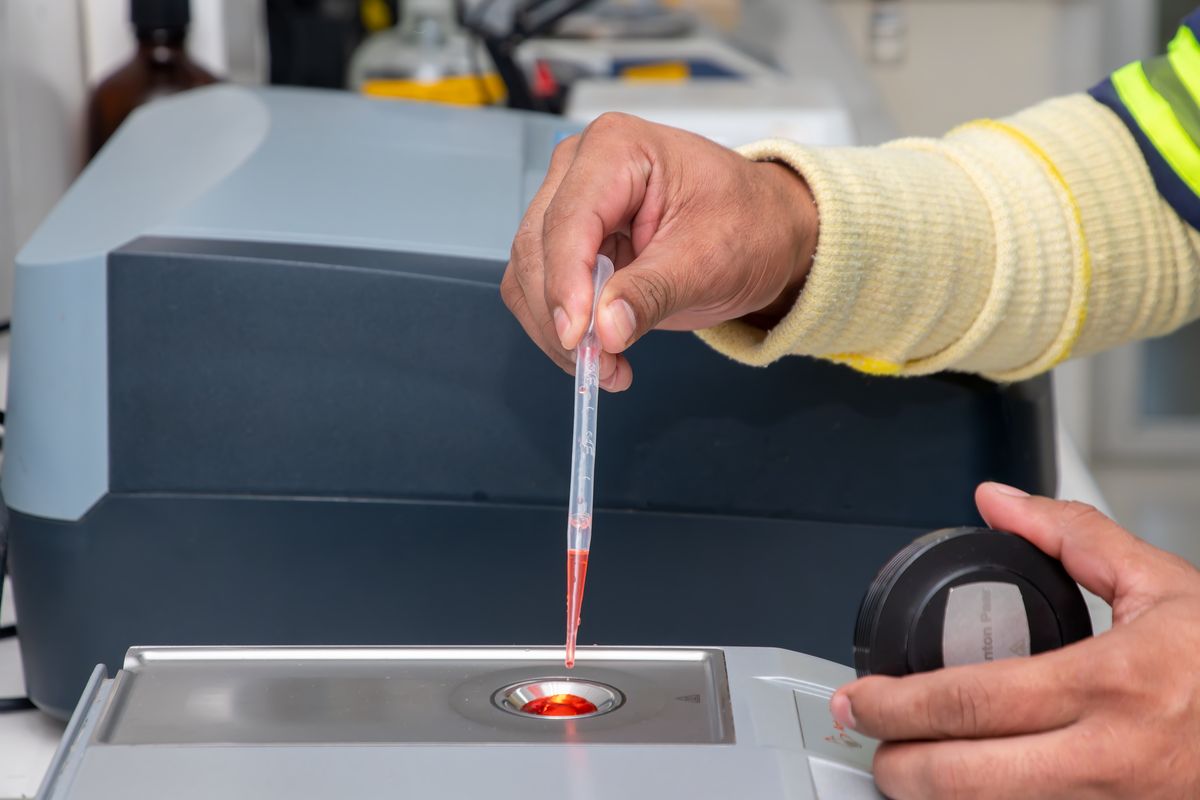
The standard method is the Limulus amebocyte lysate test, or LAL. It uses a substance from horseshoe crab blood that clots when it meets LPS. The reaction is very sensitive. It picks up soluble Gram-negative LPS down to picogram levels.
That is the whole of its range. Soluble LPS, from Gram-negative bacteria.
What it does not cover
- Gram-positive bacteria. Their toxins work differently and do not trigger this reaction.
- Viral particles. Not detected.
- Leftover solvents and reagents. Not detected. Those need their own tests.
- Living organisms. LAL measures a molecule, not whether anything is alive. Sterility is a separate test, run a separate way.
That last one causes the most trouble. A clean endotoxin result is not a sterility result. A sterility result is not an endotoxin result. Because LPS survives heat, a batch can pass one and fail the other.
Where the test itself goes wrong
Peptides interfere with LAL more than most materials, in two opposite directions.
Low endotoxin recovery, or LER. Something in the sample hides LPS that is really there. The reading comes back low or clean, and the LPS is still in the vial. This is a known effect. It can show up hours or days after the sample is made up, not right away.
False positives. Some substances set off the clotting without any LPS present. Fungal beta-glucans are the classic case. They set off the same chain of events by a different route. You can buy reagents that block that route. But then beta-glucans become invisible instead of misleading. Either way, LAL is not a test for fungi.
The fix for both is the same, and it is not optional. Each sequence needs spike-recovery controls. A known amount of LPS is added to the sample, and the test has to find it again. Finding roughly 50 to 200 percent of it shows the sample is not getting in the way. Outside that range, the number means nothing until the problem is fixed.
That check is per sequence, not per company and not per year. A different peptide is a different chemical mix.
Reading the result
A pass tells you two things. Soluble Gram-negative LPS was below the limit, and the test was shown to work in that sample. That is useful.
It says nothing about sterility, fungi, solvents, or heavy metals. Those are four other questions. Each needs its own test, whatever the vial says about research use.
Scope note
This article explains published research and the rules around it. It carries no dose,
no protocol, and no claim that any compound treats, cures or prevents a condition in
anyone. Where the evidence is thin we say so. See our
editorial standards.
References
- United States Pharmacopeia. General Chapter <85>, Bacterial Endotoxins Test.
- United States Pharmacopeia. General Chapter <71>, Sterility Tests.
- United States Pharmacopeia. General Chapter <151>, Pyrogen Test.
- European Pharmacopoeia. General Chapter 2.6.14, Bacterial endotoxins.
- US Food and Drug Administration. Pyrogen and Endotoxins Testing: Questions and Answers, guidance for industry (2012).