Your digestive system is very good at destroying peptides. That is not a flaw. It is the job.
Digestion is a peptide-destroying machine
Digestion exists to take proteins and peptides apart, reducing them to single amino acids small enough for the gut wall to absorb.
Your stomach and gut are full of enzymes built to do that. They do not tell the difference between a protein from your dinner and a peptide you wanted to arrive whole. Both are chains of amino acids. Both get taken apart.
So a peptide that is swallowed is mostly broken up before it reaches the blood. What survives arrives in pieces. Pieces do not have the shape needed to fit a receptor.
Which is why clinical peptides are usually injected
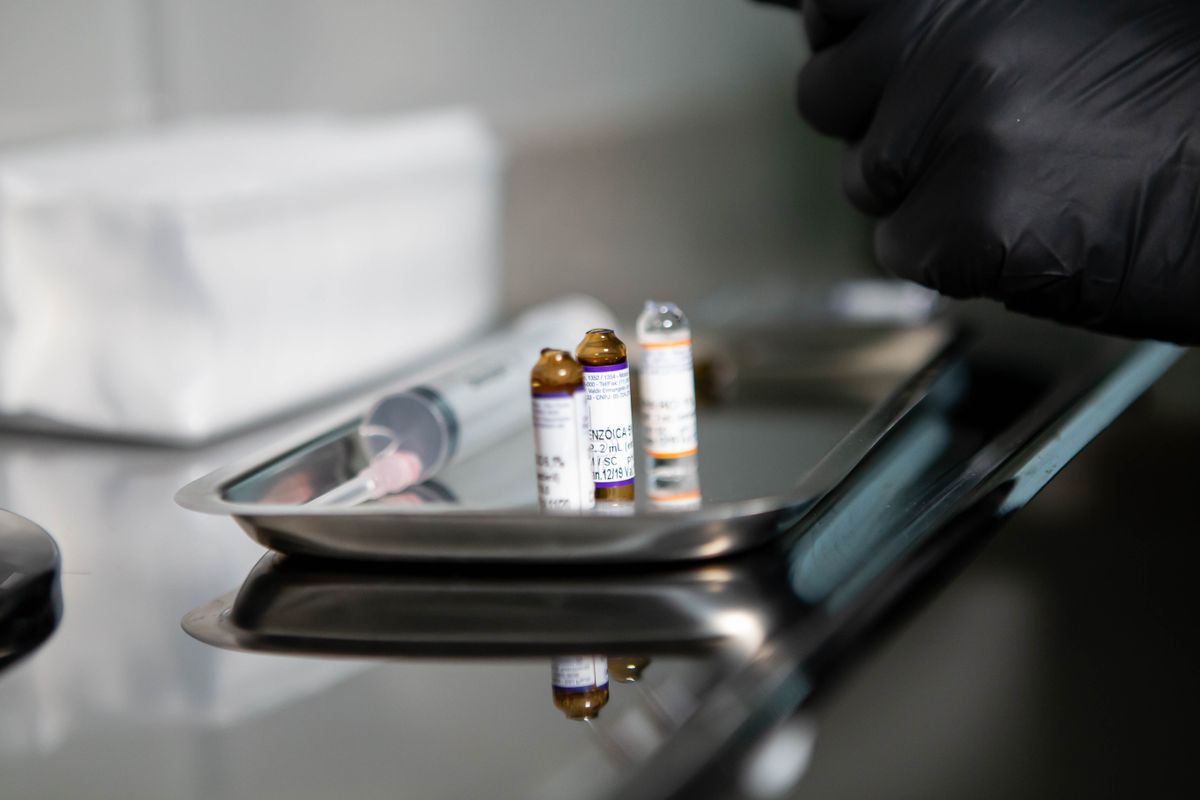
This is why insulin has been injected for a century instead of taken as a tablet. Injection skips the gut, so the molecule arrives whole.
The exceptions are real but specific
Two routes get around the problem.
Chemical redesign. A peptide can be rebuilt to resist gut enzymes, or paired with a helper that improves absorption. Oral semaglutide is the well-known case. It works, and it took a lot of engineering to work.
The lining of the nose. Some peptides absorb there, which skips the stomach. Whether that works depends on the size and chemistry of the molecule, not on preference.
Neither exception is a general rule. A peptide survives digestion because it was built to. The route is not open to just anything.
Scope note
This article explains published research and the rules around it. It carries no dose,
no protocol, and no claim that any compound treats, cures or prevents a condition in
anyone. Where the evidence is thin we say so. See our
editorial standards.
References
- NCBI StatPearls. Biochemistry, Peptide (2023).
- Fosgerau, K. & Hoffmann, T. Peptide therapeutics: current status and future directions. Drug Discovery Today 20, 122–128 (2015).
- University of Queensland, Institute for Molecular Bioscience. Explainer: peptides vs proteins (2020) — secondary summary.